امروزه بخش عمدهای از خدمات، آموزش، تجارت، ارتباطات و سرگرمیها از طریق فضای وب قابل دسترسی است. اگرچه وب در ابتدا صرفاً ابزاری برای نمایش متون و تصاویر ساده بود، اما با پیشرفت تکنولوژی به بستری تعاملی، هوشمند و کاربردی تبدیل شده است. این تحول، اهمیت طراحی بصری و تجربه کاربری را دوچندان کرده است، چرا که کاربران امروز به دنبال دریافت تجربهای زیبا، ساده و کارآمد هستند. در همین راستا، طراحی رابط کاربری (UI) به عنوان یکی از ارکان کلیدی در توسعه وبسایتهای استاندارد و جذاب شناخته میشود. تکامل وب را میتوان در سه نسل اصلی دستهبندی کرد:
وب ۱.۰: حالت فقط خواندنی (Read-Only) و فاقد تعامل
وب ۲.۰: قابلیت تعامل کاربران و تولید محتوای مشارکتی
وب ۳.۰: هوشمند، شخصیسازی شده و مبتنی بر دادههای معنایی
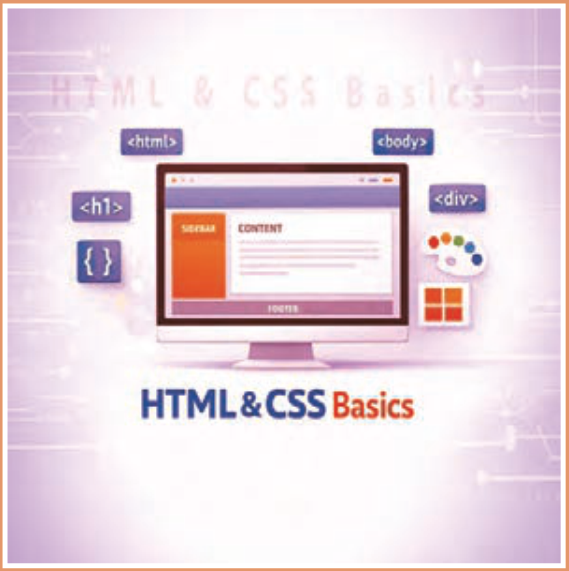
در ادامه این مسیر تکاملی، درک عمیق از اصول طراحی رابط کاربری (UI) و تجربه کاربری (UX) بدون تسلط بر زیرساختهای فنی وب امکانپذیر نیست؛ بنابراین در این پودمان، به بررسی دو ستون بنیادین توسعه وب یعنی HTML و CSS پرداخته میشود. در اینجا، نحوه پیادهسازی معنای محتوا با تگهای استاندارد HTML و کنترل گرافیکی و چیدمان آنها با CSS، به صورت فنی و ساختاریافته مورد تحلیل قرار میگیرد تا با ترکیب دقیق این دو تکنولوژی، ساختاری پایدار، واکنشگرا و ظاهری متناسب با استانداردهای مدرن وب قابل ارائه باشد.
Page 83
Today a large share of services, education, trade, communication, and entertainment is available on the web. Although the web was at first only a tool for showing text and simple images, as technology advanced it became an interactive, intelligent, and useful platform. This change has doubled the importance of visual design and user experience, because today's users look for a beautiful, simple, and efficient experience. So user interface (UI) design is recognized as one of the key parts of building standard, attractive websites. The evolution of the web can be divided into three main generations:
Web 1.0: read-only (Read-Only), with no interaction
Web 2.0: users can interact and create content together
Web 3.0: intelligent, personalized, and based on semantic data
Continuing this evolution, a deep understanding of user interface (UI) and user experience (UX) design is not possible without command of the web's technical foundations; so this module looks at the two basic pillars of web development, HTML and CSS. It analyzes, in a technical and structured way, how to express the meaning of content with standard HTML tags and how to control their look and layout with CSS, so that by combining these two technologies precisely you can build a stable, responsive structure with an appearance that meets modern web standards.